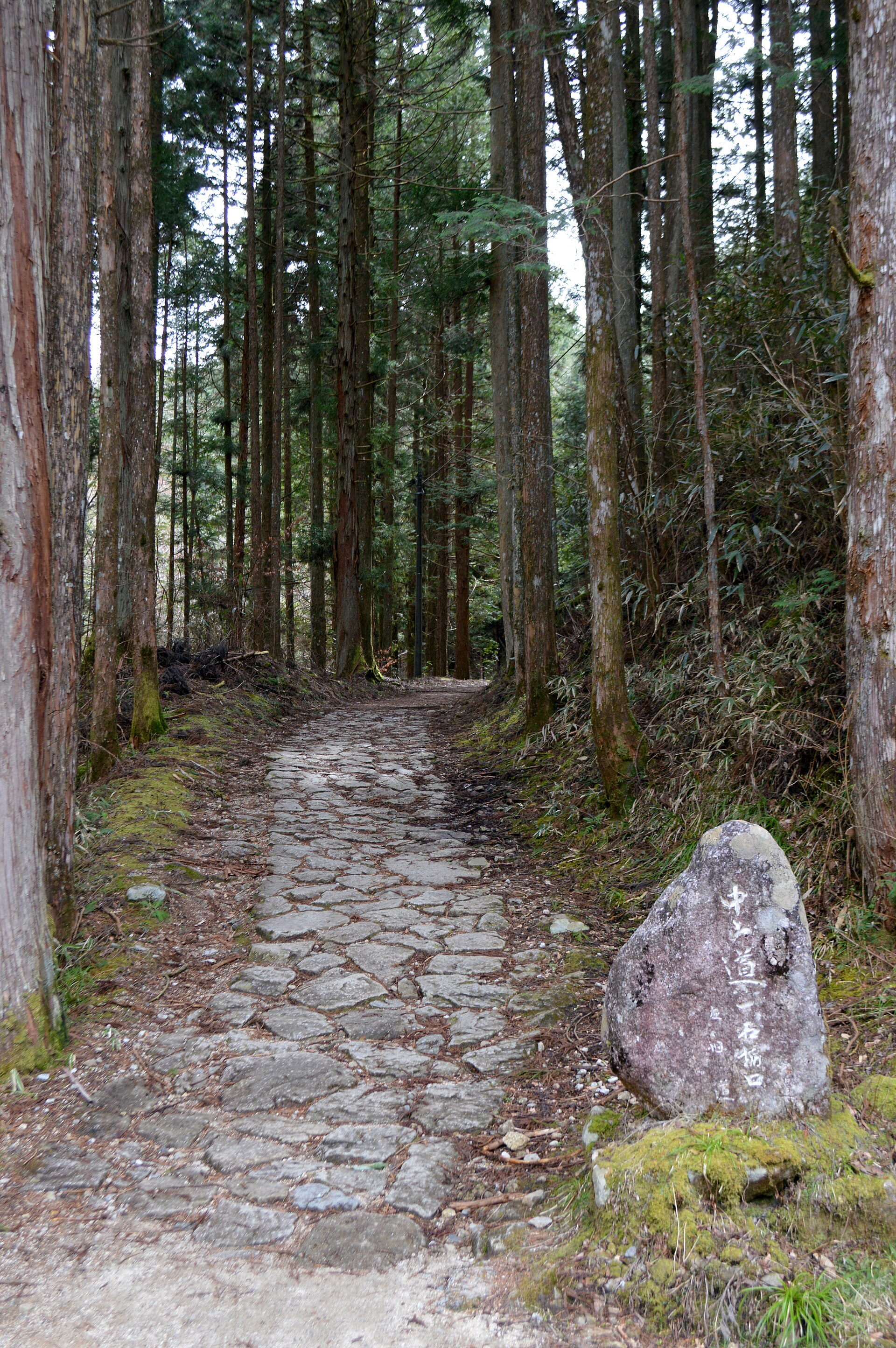
Winter is the season Tsumago keeps mostly to itself. The coach parties thin out after late November, the persimmons are long gone, and by January the valley can hold snow on the ground for weeks at a stretch. What is left is the town's working bones: dark timber, low eaves built to shed weight, and a single street that, under a few centimetres of snow, looks closer to its Edo-period self than it does in any other season. This is not a trip for convenience. It is a trip for anyone who wants Tsumago without the crowd noise.
When snow actually falls here
The Kiso Valley sits at roughly 400 to 500 metres elevation, high enough that winter arrives firmly, not half-heartedly. Snow is possible from early December and most likely between mid-January and late February, though amounts vary year to year: some winters bring a dusting that melts by noon, others leave 10 to 20 centimetres settled along the main street for days. Check the day's forecast and road conditions before travelling, since the prefectural weather service updates snow depth for the Kiso area daily in winter. Early morning, before foot traffic, is when the street looks its best: untouched snow on the thatch and the first woodsmoke rising from chimneys.
What is open, what is not
Several shops and small eateries along the main street reduce their hours in winter, and a few close for weeks at a time, typically in January. This is normal for a town this size and not a sign anything is wrong. If a hot meal matters to your plan, do not assume a shop will be open; ask your accommodation the night before, since staff usually know which places are running that week. For a fuller sense of how the town shifts month to month, see Tsumago by Season: When to Go and Why It Matters Most, which covers the other extreme, autumn's colour and crowds, as a useful contrast.
Pack boots with real tread, not city sneakers. The stone and packed-earth sections of the main street turn slick under thin ice, and there is no salt or grit applied along most of the lane. Trekking poles help if you plan to walk any part of the Nakasendo trail.
Walking the Magome-Tsumago trail in snow
The full trail between the two towns takes most walkers about 3 hours at a relaxed pace in good weather. In snow, add 45 minutes to an hour, more if the path is fresh and unbroken. The steepest stretch, the climb near the pass above Magome, is also the one most exposed to wind and drifting; it is the section most likely to close or be advised against after heavy snowfall, so check conditions at the tourist information point in either town before setting out. Daylight is short in December and January, with usable light often gone by 4:30pm, so start no later than late morning if you intend to walk the whole route. For stage-by-stage detail, including where the bus connects if conditions turn, see The Magome to Tsumago walk, stage by stage and the companion piece, The Magome-Tsumago Hike: A Step-by-Step Guide to the Nakasendo Trail. Those who want more trail and less town can look further along the old road in The Nakasendo Beyond Tsumago: Planning a Longer Walk, though winter is not the season to improvise an extension.
Getting there when roads are uncertain
Trains to Nagiso station run on their usual schedule even in snow, since the JR line is well maintained through the valley, but local buses between the station and Tsumago or Magome can be delayed or occasionally suspended after heavy snowfall. Build in slack rather than a tight connection, and check the day's schedule at the station rather than relying on a printed timetable. Full transport logistics, including luggage forwarding, which still operates in winter though with slower turnaround, are covered in Getting to Tsumago: Trains, Buses, and Luggage Logistics.
Staying warm, Edo-style
Traditional minshuku and ryokan in Tsumago rely on kerosene heaters and kotatsu tables rather than central heating, which is faithful to the building style but means hallways and bathrooms can be genuinely cold. Bring layers to sleep in, and do not expect the whole building to feel warm, only the room you are sitting in. This is worth knowing before you book, and it is covered in practical detail in Sleeping in a Post Town: Minshuku and Ryokan Etiquette in Tsumago. For a wider comparison of where to base yourself, including whether Magome's slightly lower elevation makes a milder alternative, see Where to Stay in Tsumago: Minshuku, Ryokan or Magome.
A two-day winter plan
If you have two days, arrive in Tsumago by early afternoon on day one, walk the town's short loop while light remains, and settle in before dark. On day two, attempt the Magome trail only if morning conditions look clear and the information office confirms the pass is open; otherwise spend the morning in Tsumago itself, where the Honjin and Wakihonjin buildings still open on their usual winter hours, snow outside their windows and all. This pacing matches the structure laid out in Two Days in the Kiso Valley: A Measured Walk-Pace Itinerary, adjusted for shorter days and slower footing. Whatever the forecast says the night before, decide on the trail attempt only once you can see the morning sky.