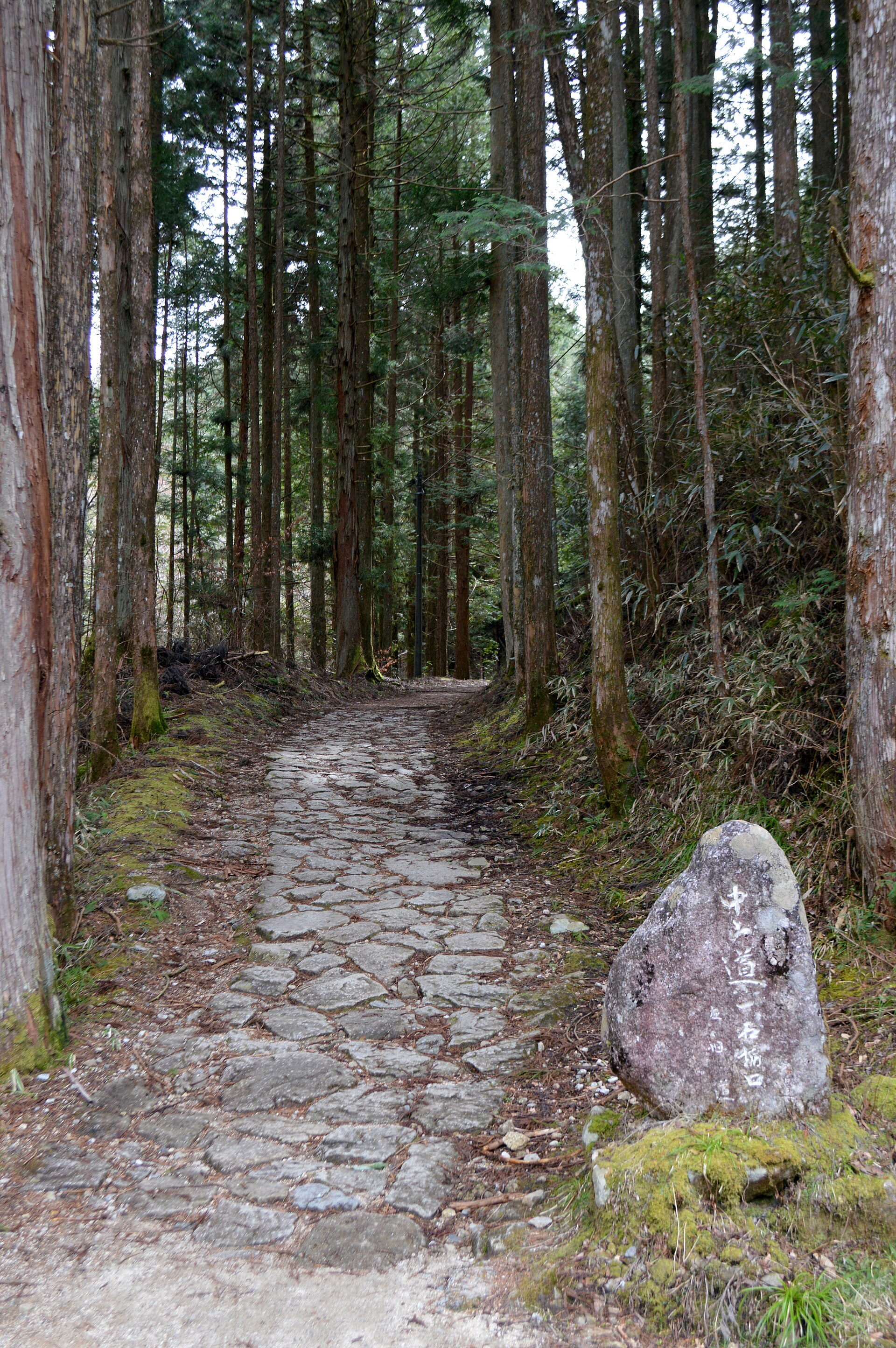
Tsumago empties out by late afternoon. The buses leave, the souvenir shutters come down, and for a couple of hours before dinner the Nakasendo's old main street belongs to whoever is sleeping there that night. That privilege comes with a small set of rules, most of them unwritten, inherited from a post-town system that has been housing travelers since the Edo period. A minshuku or ryokan stay here is not a hotel transaction; it is closer to being a guest in someone's working house.
Minshuku versus ryokan: what the difference actually means
In Tsumago the distinction is mostly one of scale and formality rather than quality. A minshuku is typically a family home with four to eight guest rooms, shared bathrooms, and meals served in a common dining room or brought to a low table in your room. A ryokan, where the term is still used locally, may offer slightly more private facilities and a more scripted service rhythm, but in a town this small the experience overlaps heavily. Expect to pay roughly 9,000 to 15,000 yen per person per night with two meals included (locally called ichi-shoku-ni-shoku, one night two meals), cash often preferred, though more places now accept cards or transfer on booking.
Check-in, curfew and the rhythm of the house
Most houses expect arrival between 3:00 and 6:00 pm, and will ask for a rough arrival time when you book. If you are walking the Magome-Tsumago trail, budget the standard 2.5 to 3 hours for the 7.9 km route and message ahead if you are running late; phone signal is patchy in the pass, so a note the night before is safer than a call from the trail. Dinner is usually served between 6:00 and 7:00 pm, not negotiable by much since it is cooked to order for the whole house. Front doors are often locked by 9:00 or 10:00 pm; ask your host directly what the house's closing time is rather than assuming you can slip in late from a walk to Nagiso or an evening out.
If you are walking the trail one way, same-day luggage forwarding between Magome and Tsumago is available through the local tourist associations for a small fee per bag; bags must be dropped off in the morning and will not arrive until mid-afternoon, so keep a day pack with water, a layer and your wallet.
Futon, bathing and the order of operations
Rooms are tatami-matted and unfurnished with beds; your host or you yourself will lay out the futon in the evening, usually after dinner, and fold it away in the morning. Shoes come off at the genkan (entrance step) and slippers take over from there, except on tatami, where even slippers are removed. Bathing follows the washing-before-soaking order standard across Japan: rinse and wash seated at the taps before entering the shared tub, which is for soaking only, not for soap. Baths are often shared on a rotating schedule in smaller houses, so ask when it is your turn rather than assuming you can bathe whenever you like. Tattoos are rarely an issue at this scale of accommodation, but it is worth mentioning if you are unsure, since policies vary house to house.
Meals: kaiseki-style, seasonal, and fixed
Dinner is typically a multi-course set meal built around local, seasonal ingredients: mountain vegetables, river fish such as iwana or amago grilled whole, soba or gohei-mochi (grilled rice skewers coated in a sweet miso glaze), and often a hot-pot in colder months. There is no menu to choose from; dietary restrictions should be flagged at the time of booking, not on arrival, since the kitchen is cooking a fixed amount for a fixed number of guests. Breakfast is simpler and usually served around 7:00 to 8:00 am, timed to let walkers get an early start on the trail before the day's first tour groups arrive.
Post-town etiquette beyond the room
Tsumago's preservation agreement, in place since the 1970s, restricts vending machines, visible power lines and modern signage along the main street, and the same spirit of restraint applies to guests. Keep voices low after dark; the street is residential as much as touristic, and sound carries between wooden buildings with thin walls. Photography inside private homes or guest houses, even your own, should be discreet and never include other guests without asking. If your house keeps a guest book or asks for a small deposit refundable at checkout, this is standard practice rather than suspicion.
Booking: direct contact still works best
Many minshuku do not have real-time booking systems and are reserved by phone or a simple contact form through the local tourism association; expect a reply in Japanese or basic English within a day or two. Confirm your meal plan, arrival time and the number of guests clearly, and reconfirm by phone the morning of your stay if you booked more than a week in advance. Cancellation policies tend to be lenient if you notify more than 48 hours out, but same-day cancellations without notice are taken seriously in a town where every house's income depends on a handful of rooms.