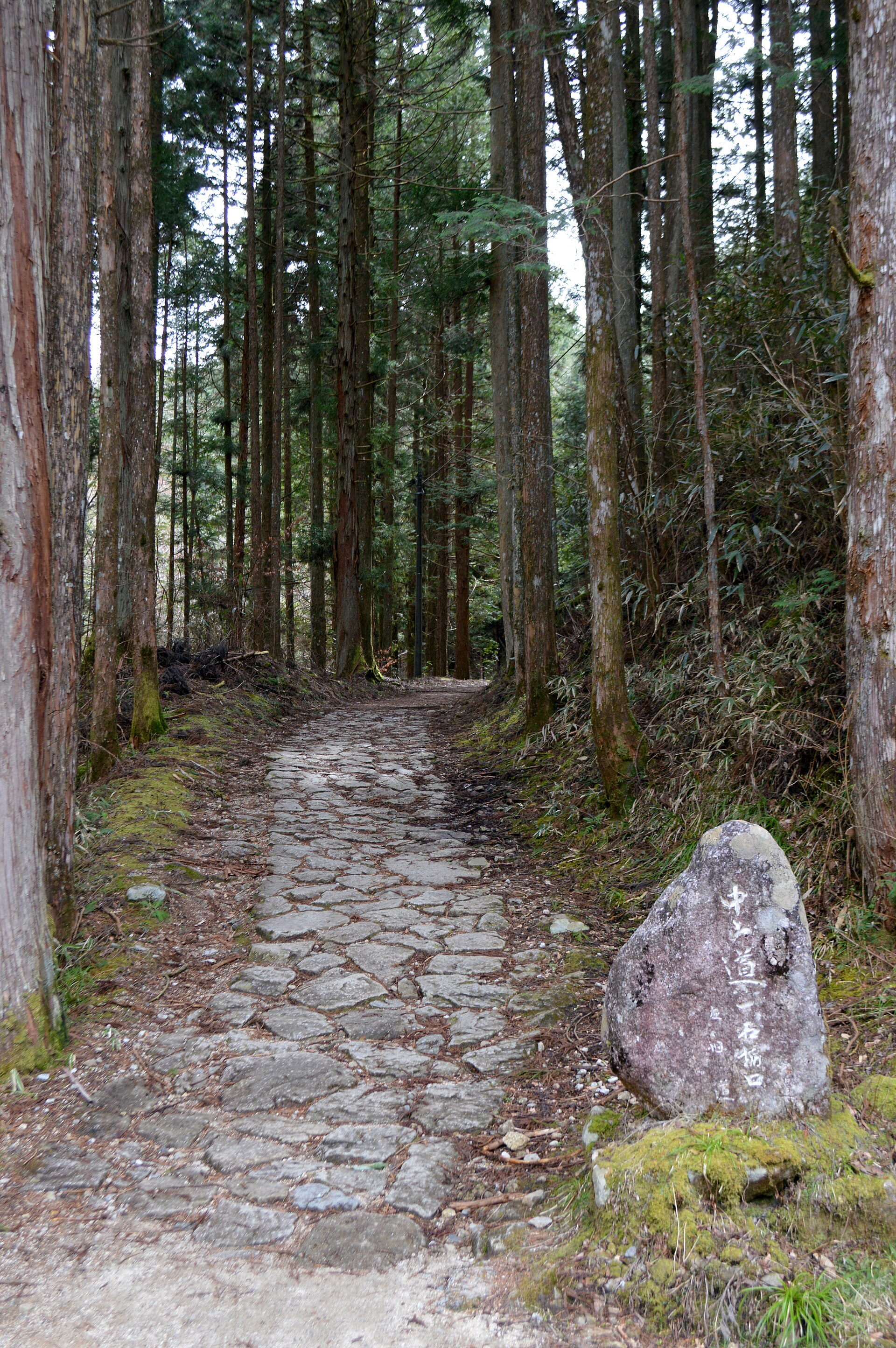
Tsumago does not perform autumn the way a formal garden does. There is no single viewing point, no illuminated avenue of maples staged for cameras. The color arrives gradually across the forested ridges around the Kiso Valley, then seeps into the town itself, a few trees at a time, over roughly three weeks. Understanding that rhythm, rather than chasing a single red-leaf photograph, is what makes an autumn visit here worthwhile.
When the color actually peaks
At this elevation (around 420 meters for Tsumago, higher still at the Magome Pass), koyo typically builds from the last week of October and holds through the second or third week of November, depending on the year's temperatures. The higher sections of the trail near the pass color first, often seven to ten days ahead of the valley floor. If you have flexibility, checking a current regional foliage forecast two to three weeks out and adjusting travel dates by a few days matters more than fixing a date months in advance. For a broader sense of how this compares to other seasons, the site's season-by-season breakdown is worth reading before you book anything.
Walking the trail with the leaves
The 7.8-kilometer walk from Magome to Tsumago remains the best way to watch the season change in real time. Starting at the Magome end and climbing toward the pass (roughly 600 meters elevation, reached after about 45 minutes of steady uphill walking) puts you among the earliest color of the day, often with low mist still sitting in the valley below. The descent into Tsumago, another 90 minutes to two hours depending on stops, passes through cedar stands that frame rather than compete with the maples, since conifers keep the deep green that makes the red and gold stand out. A full stage-by-stage breakdown, including the waterfall detour and the rest hut timings, is covered in the Magome to Tsumago walk guide; walkers wanting more technical notes on footing and gradient should also see the step-by-step Nakasendo guide.
Crowds, timing, and the quiet hours
Autumn weekends, particularly the second and third Saturdays of November, bring the heaviest foot traffic the trail sees all year, with the Magome trailhead car park filling by mid-morning. Arriving at the Magome side by 8:00 or starting the reverse route from Tsumago before 9:00 avoids most of this. Weekday mornings are noticeably calmer even during peak color. The town itself empties out after the last tour buses leave, usually by late afternoon, which is when the main street's eaves and the maples planted along the stream behind it catch the low sun best.
Daylight shortens fast in November; sunset falls around 16:40 to 16:50. Plan to finish the Magome-Tsumago walk, or at least reach a bus stop, by 15:30 to leave margin for photography stops and the fact that cold temperatures slow walking pace slightly on the descent.
Staying overnight to catch both ends of the day
Day-tripping Tsumago in autumn means missing the two best light windows: early morning before the first buses arrive, and the hour after the last ones leave. Staying overnight in a minshuku or ryokan, either in Tsumago itself or in neighboring Magome, resolves this. Rooms book out further ahead in autumn than in any other season, sometimes six to eight weeks for the first two weekends of November, so reserving early is worth the inconvenience of fixing a date. Etiquette around futon, bathing order, and meal times is covered in the post-town lodging etiquette guide, and a comparison of the options is laid out in where to stay in Tsumago.
Beyond the single walk, if time allows
Travelers with two days can extend into a fuller Kiso Valley loop, taking in Narai or the quieter stretches of trail north and south of Tsumago, where the maples thin out and the crowds thin out faster still. The paced two-day structure in two days in the Kiso Valley builds in enough slack for an unhurried foliage walk without rushing the post-town etiquette the area is known for. Those wanting a longer trek should look at planning a longer Nakasendo walk before committing to logistics, since bus schedules along the valley thin out noticeably after the main autumn weekends end.
Getting there before the color fades
Trains to Nagiso or Nakatsugawa run on normal regional schedules, but autumn weekend buses connecting to Magome and Tsumago fill quickly, and luggage forwarding services, useful for walkers going one-way, need booking by late morning to guarantee same-day delivery. The full breakdown of train connections, bus frequency, and luggage options is in getting to Tsumago. Build in at least a 30-minute buffer at each connection during peak weekends, since platforms and bus stops both see longer queues than the rest of the year.
None of this requires elaborate planning, only attention to a few details: which week the color is likely to hold, which hours the trail is quiet, and where you will sleep when the last bus has gone. Get those right and the rest, the actual walking beneath turning maples on a stone-paved trail four centuries old, takes care of itself.