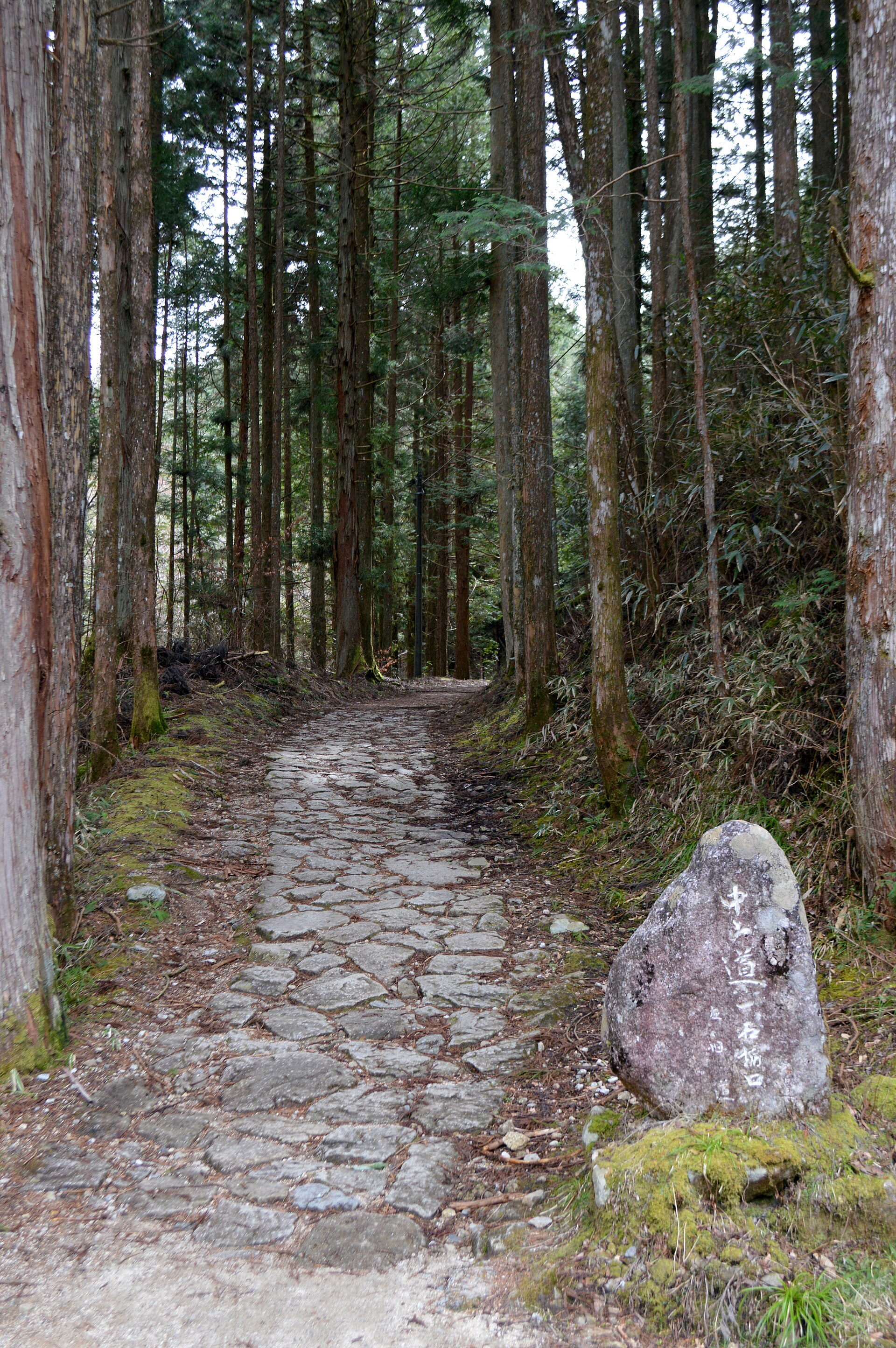
Tsumago has no large hotels, and that is precisely the point. The post town's preservation ordinance has kept its wooden facades, low eaves and gravel lanes largely free of modern intrusion since the 1970s, which also means a strict cap on new construction. Lodging is a small, fixed inventory of minshuku and a handful of ryokan, mostly run by families who have kept the same rooms for generations. Choosing where to sleep here is really a choice between four things: staying inside Tsumago itself, basing in Magome at the other end of the trail, splitting a night in each, or using Nagiso or Nakatsugawa as a transit base. Each has a different rhythm, and the right answer depends on how much you want to walk after dark and how early you want to walk before it.
Inside Tsumago: minshuku rooms in the post town
A minshuku here is a family home with guest rooms, tatami floors, shared bathrooms in most cases, and dinner served in a common area rather than brought to your room. Expect to pay roughly 9,000 to 14,000 yen per person per night including two meals (breakfast and a multi-course dinner built around river fish, mountain vegetables and rice). Rooms are simple: futon bedding, a low table, paper screens, no television in some cases. The appeal is immediate: once the day-trip buses leave by late afternoon, the lane outside your window empties, the lanterns come on, and you have the town's single street largely to yourself until the next morning's first arrivals. Booking early matters more here than almost anywhere else in the valley, since there are only a few dozen rooms total. For cherry blossom season (early to mid-April), autumn foliage (late October through mid-November), and any weekend, book six to eight weeks ahead if possible. For practical etiquette once you arrive, see minshuku and ryokan etiquette in Tsumago, which covers bath order, curfew norms and how dinner timing works.
A rare ryokan stay: more privacy, higher price
A small number of properties in and around Tsumago operate closer to a traditional ryokan model: private bathrooms in some rooms, slightly more polished service, and nightly rates closer to 15,000 to 25,000 yen per person with meals. The experience is quieter and more private but not meaningfully more luxurious than a good minshuku; this is not a spa-resort region. Choose this option if you want an en-suite bathroom or are traveling as a larger family needing more room configuration flexibility. Book two to three months ahead for autumn weekends, since these rooms are even fewer in number than standard minshuku ones.
Basing in Magome instead
Magome, at the southern end of the historic trail, sits on a steeper hillside with its own cluster of minshuku and small inns, generally in a similar price band to Tsumago (9,000 to 15,000 yen per person with meals). Magome feels busier during the day because it is the more popular starting point for day-trippers walking the Magome to Tsumago walk, but by evening it also empties out. The practical advantage of sleeping in Magome rather than Tsumago is logistics: Magome has slightly better bus connectivity toward Nakatsugawa and the rail network, which matters if you are arriving late or leaving early the next morning. The disadvantage is that Tsumago's preserved streetscape is, by most accounts, the more atmospheric one to wake up inside. If your itinerary has you walking the trail in one direction only, sleeping at the end point (rather than the start) means you are not rushing the walk to make a check-in deadline.
Most minshuku in both towns expect arrival between 3pm and 6pm and serve dinner around 6pm to 7pm sharp. Arriving after dark without notice is considered poor form; call or message ahead if your bus or walk runs late.
Splitting the night: one in each town
For walkers doing the full Magome-Tsumago hike step by step, a one-night stay in Magome before walking, followed by a night in Tsumago after, lets you see both post towns at the quiet hours (early morning and after dusk) without compressing the 7.8-kilometer trail into a single rushed day. This costs more overall (two lodging nights instead of one) but suits travelers who want to really absorb the walk rather than treat it as a day hike squeezed between train connections.
Using Nagiso or Nakatsugawa as a transit base
Travelers on a tighter budget or a fixed rail schedule sometimes base in Nagiso (the nearest station town, a short bus or taxi ride from Tsumago) or in Nakatsugawa, which has more standard business hotels in the 6,000 to 10,000 yen per night range without meals. This sacrifices the early-morning and evening quiet inside Tsumago itself, but it is a reasonable option if you are arriving very late, traveling with a rail pass that rewards staying near a larger station, or extending into a longer walk covered in planning a longer Nakasendo walk. Check the day's bus schedule carefully, since the last connections back to Nagiso or Nakatsugawa in the evening can be earlier than visitors expect, particularly outside peak season.
Which to choose
For first-time visitors who want the defining Tsumago experience, a minshuku inside the post town is the clear pick, booked well in advance. For travelers prioritizing transit convenience or arriving after a long train day, Magome or Nakatsugawa reduces friction. For dedicated walkers who have the extra night and budget, splitting between Magome and Tsumago gives the fullest picture of the trail at both ends. Luggage logistics factor into this decision too; same-day forwarding services operate between the towns, which is covered in getting to Tsumago: trains, buses and luggage, and knowing the cutoff times can simplify which town makes sense as your overnight base.